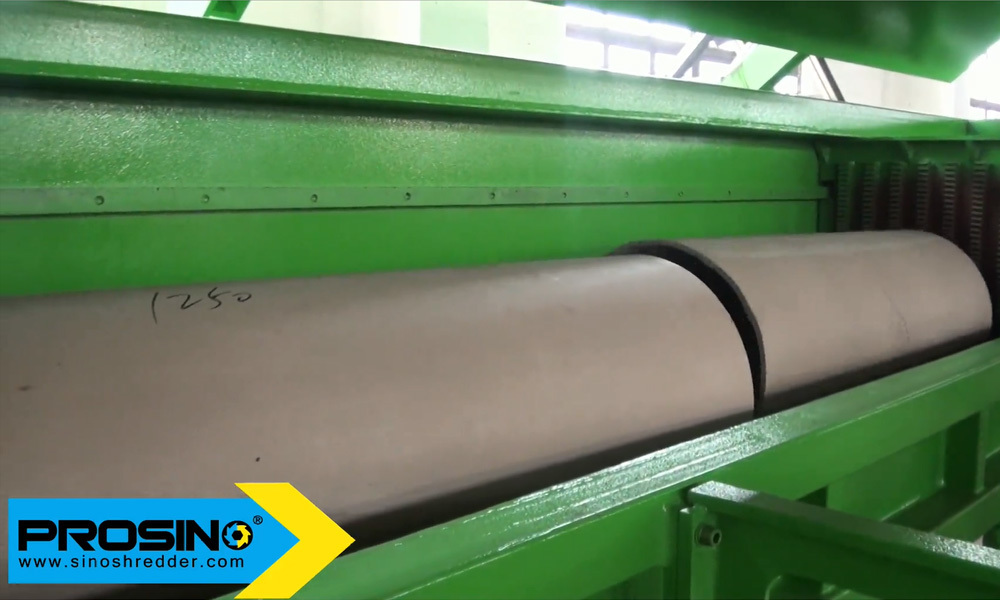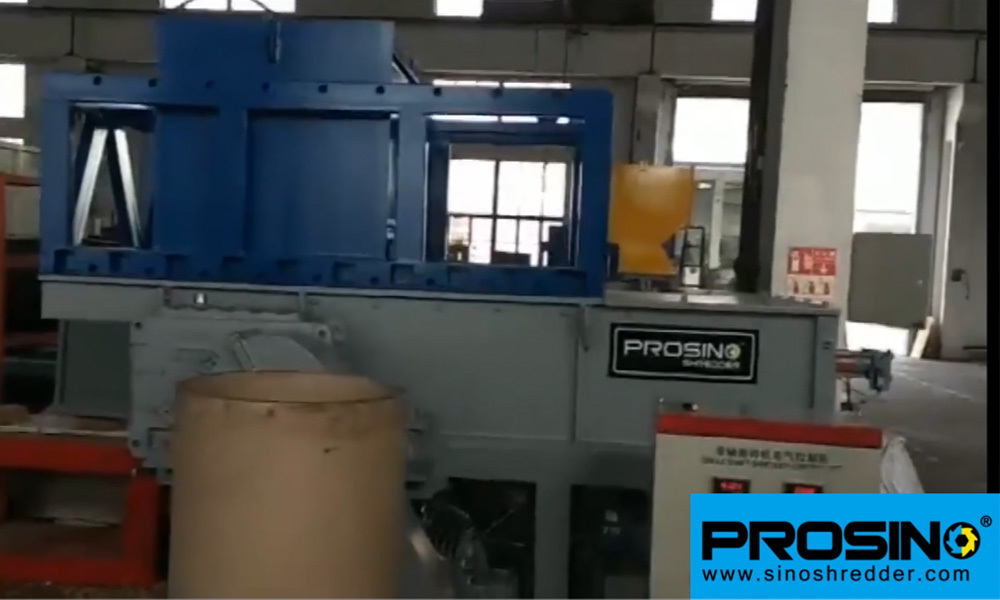

Big cardboard pipes are large tubes made of cardboard material that are commonly used in construction, engineering, and other industries for storage, transportation, and protection of materials. To recycle big cardboard pipes, the following steps can be taken:
1. Collect and sort: Collect the cardboard pipes and sort them by size, material type, and condition. Ensure that any adhesive tapes, labels, or other contaminants are removed.
2. Cut and flatten: Cut the cardboard pipes into small pieces and flatten them as much as possible to make them easier to transport.
3. Baling: Use a baler to compress the flattened cardboard pieces into dense bales. Baling helps to reduce the volume of cardboard waste and makes it easier to transport.
4. Transportation: The bales can then be transported to a recycling facility that accepts cardboard waste.
5. Pulping: At the recycling facility, the cardboard is pulped, which involves soaking it in water and breaking it down into small fibers.
6. Screening and cleaning: The pulp is then screened and cleaned to remove any impurities or contaminants.
7. Forming: The clean pulp is then formed into new paper products, such as cardboard boxes, paper bags, and tissue paper.
Recycling big cardboard pipes helps to reduce waste, save energy, and conserve natural resources. A big cardboard pipes shredder is essential for whole recycling process.
Why we need to shred big cardboard pipes?
Shredding big cardboard pipes is an important step in the recycling process for several reasons:
1. Space-saving: Cardboard pipes are bulky and can take up a lot of space, especially if they are not flattened or compacted. Shredding the pipes into small pieces helps to reduce their volume, making them easier to store and transport.
2. Better recycling efficiency: Shredding the cardboard pipes into small pieces makes it easier to separate them from other materials, such as tape or plastic labels, which can contaminate the recycling process. This leads to a higher efficiency in the recycling process and reduces the amount of waste that ends up in landfills.
3. Improving paper quality: Shredding the cardboard pipes into small pieces also helps to break down the fibers in the cardboard, making it easier to create new paper products with better quality. This is because shredded fibers can be more easily mixed with other materials and create more uniform pulp, leading to stronger and more durable paper products.
Overall, shredding big cardboard pipes is an essential step in the recycling process that helps to reduce waste, conserve resources, and create new products.
When selecting an industrial shredder for shredding big cardboard pipes, it's important to consider factors such as the volume of material to be shredded, the type and thickness of the material, and the desired output size. It's recommended to consult with a shredding equipment specialist to determine the best shredder for your specific needs. Contact PROSINO team for an ideal size reduction solution today.
Quick links:
What is the importance of Cardboard Balers and Cardboard Shredders
Which cardboard can be recycled / cardboard recycling
8 Steps of cardboard recycling