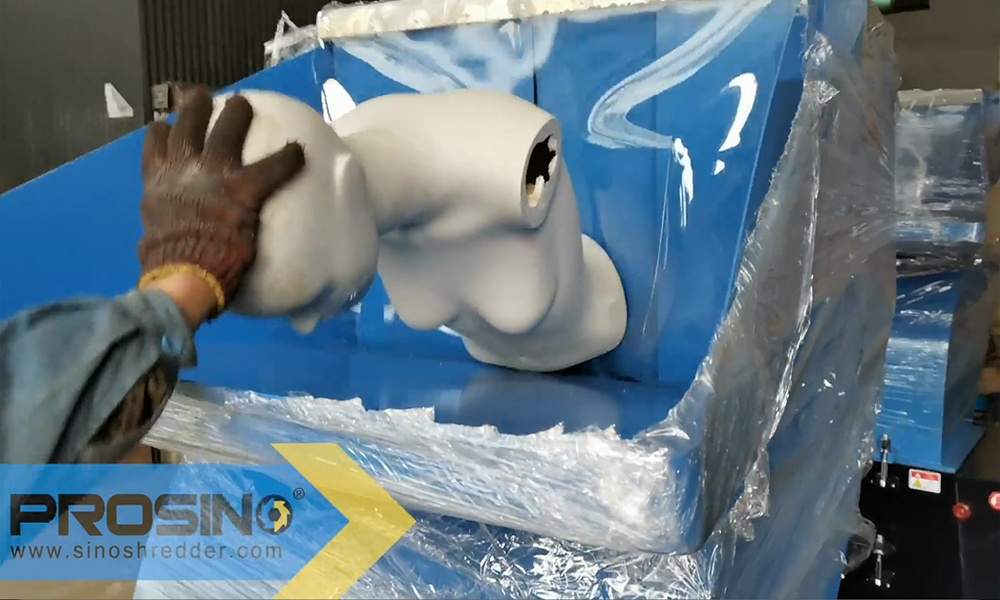

Mannequins, essential for showcasing products in retail settings and medical education, come in various materials, with fiberglass and plastic (such as polystyrene) being the primary choices today. Each material offers distinct advantages and drawbacks, influencing decisions for manufacturers and buyers alike. Fiberglass mannequins boast an impressive, lifelike appearance, enhancing the visual appeal of displayed items. However, they tend to come at a higher price point compared to their plastic counterparts. On the other hand, plastic mannequins offer affordability and durability, making them a practical choice for many retailers. Their resilience ensures a longer lifespan, ideal for enduring use in store displays and window decorations. In the realm of online sales, mannequins play a crucial role in presenting products effectively. Additionally, medical simulation mannequins serve as invaluable tools in medical training and education. Despite their utility, the question arises: what happens to mannequins at the end of their lifecycle? Proper disposal and recycling of mannequins are paramount for sustainable practices. Recycling offers an ideal solution, promoting environmental conservation and resource efficiency. Utilizing a mannequin shredding machine facilitates the recycling process by reducing mannequins into manageable pieces.
So, how can mannequins be recycled?
Mannequins are constructed from various materials, including wax, composite materials, wood, fiberglass, and plastic. Plastic mannequins, in particular, stand out for their recyclability and durability. At the end of their service life, plastic mannequins can be broken down into smaller pieces using a shredder or granulator. These plastic pellets can then be repurposed into new mannequins or other plastic products, minimizing waste and environmental impact.
In contrast, fiberglass mannequins, while lightweight and durable, require careful handling during disposal due to their delicate nature. Disposing of fiberglass should be approached with caution, as inhaling its fibers can be harmful. It's advisable to wear protective gear such as gloves and masks when handling fiberglass to avoid skin irritation and respiratory issues. Proper disposal methods include placing fiberglass scraps in designated recycling bins or consulting industrial recyclers equipped to handle fiberglass materials.
The PROSINO mannequin shredding machine and granulating machine offer efficient solutions for mannequin recycling, reducing waste disposal costs and alleviating environmental strain. Whether you require shredding or granulating, the choice depends on factors such as capacity and desired output size. For instance, a double shaft shredder may be suitable for shredding entire mannequins, while a small granulator could be more cost-effective for processing smaller pieces. Consult the PROSINO team to determine the most suitable size reduction machine for your needs and contribute to sustainable mannequin recycling practices today.
Quick links: