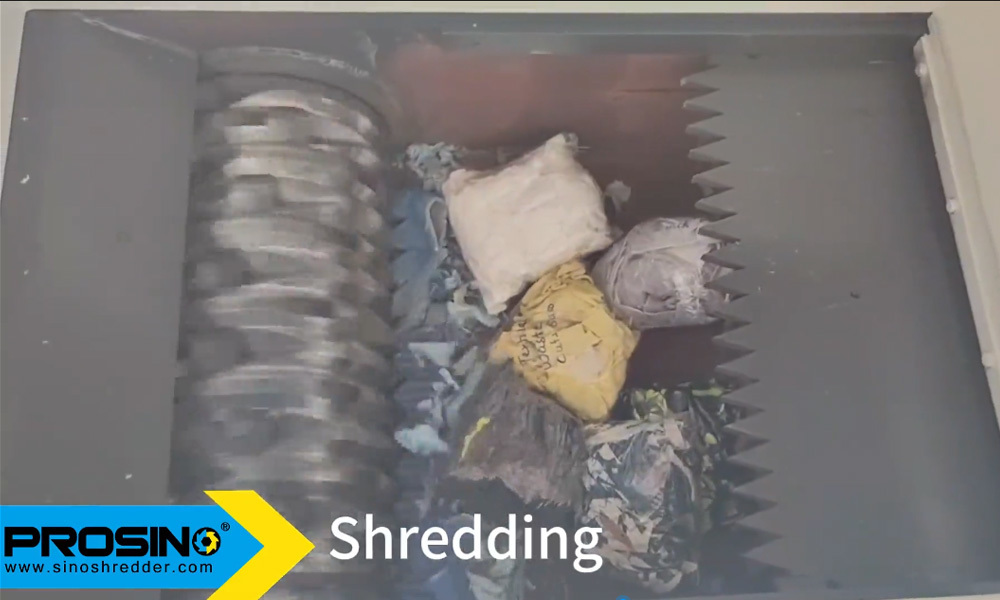

Non-woven trims refer to the excess or waste materials produced during the manufacturing of non-woven fabrics. These trims are typically in the form of scraps, leftover fibers, or cuttings that result from the production process. They are commonly found in various industries, including textiles, automotive, and packaging, pose a challenge when it comes to recycling. Due to their composition, which often includes synthetic fibers like polyester or polypropylene, non-woven trims are not easily biodegradable and can contribute to environmental pollution if not properly managed. However, non-woven trims shredders have emerged as a valuable tool in the recycling process, enabling effective waste management and resource recovery.
Non-woven trims shredders are specialized machines designed to break down and shred non-woven trim materials into smaller pieces or granules. These shredders play a vital role in the recycling industry by facilitating the efficient processing of non-woven trims for further reuse or recycling. Here are some key benefits and functions of non-woven trims shredders:
1. Size Reduction: Non-woven trims shredders effectively reduce the size of the materials, making them easier to handle and transport. By shredding the trims into smaller pieces, the overall volume of waste is reduced, optimizing storage space and logistics during recycling operations.
2. Material Recovery: Shredding non-woven trims enables the extraction and recovery of valuable materials. The shredded pieces can be further processed to separate and reclaim fibers, which can then be used in the production of new non-woven fabrics or other textile-based products. This helps conserve resources and reduce the demand for virgin materials.
3. Waste-to-Energy Conversion: In some cases, non-woven trims shredders are employed as part of waste-to-energy conversion systems. The shredded non-woven trims can be utilized as a source of fuel in waste-to-energy plants, where they are combusted to generate heat or electricity. This approach helps minimize the reliance on fossil fuels and promotes a more sustainable energy generation process.
4. Environmental Benefits: Properly shredding and recycling non-woven trims significantly reduces the environmental impact associated with their disposal. By diverting these materials from landfills or incineration, non-woven trims shredders contribute to waste reduction and prevent the release of harmful pollutants into the environment.
Non-woven trims shredders are invaluable tools in the recycling and waste management industry, addressing the challenges posed by non-biodegradable trim materials. These shredders enable efficient size reduction, material recovery, and waste-to-energy conversion, promoting resource conservation and environmental sustainability. By embracing non-woven trims shredders and incorporating them into recycling processes, industries can move closer to achieving their sustainability goals while effectively managing non-woven trim waste. Contact us today!
Quick links: