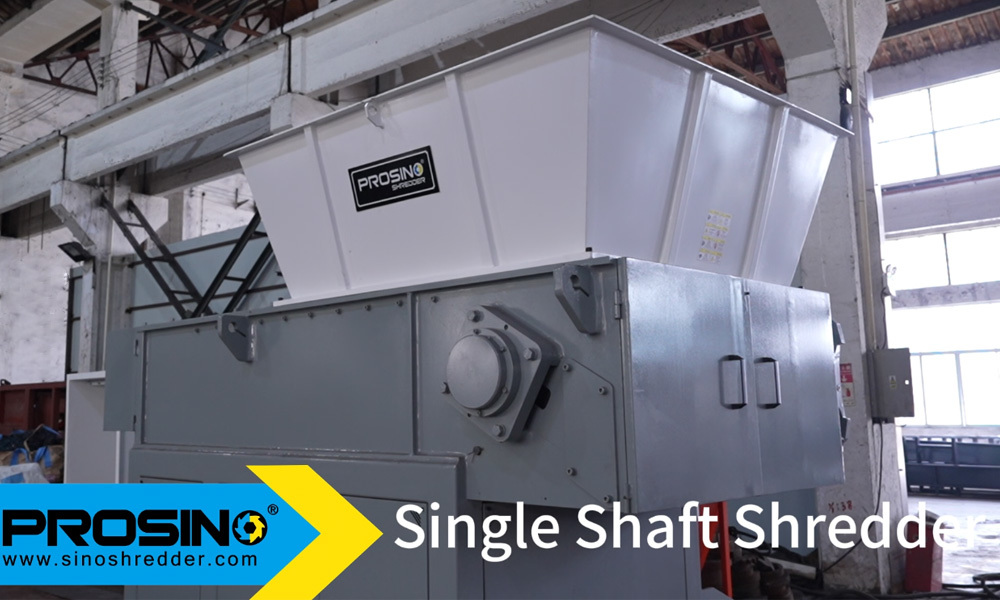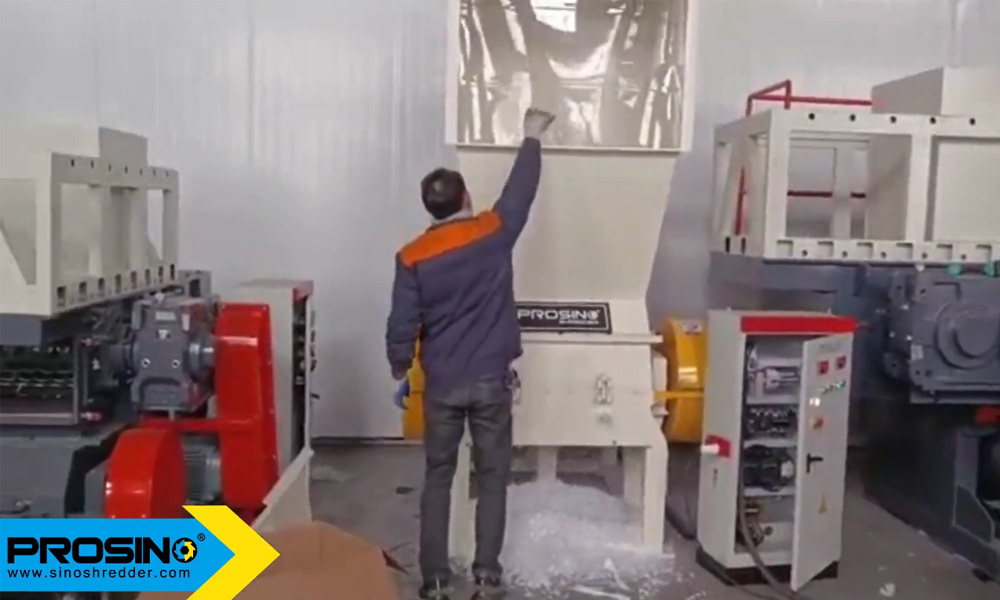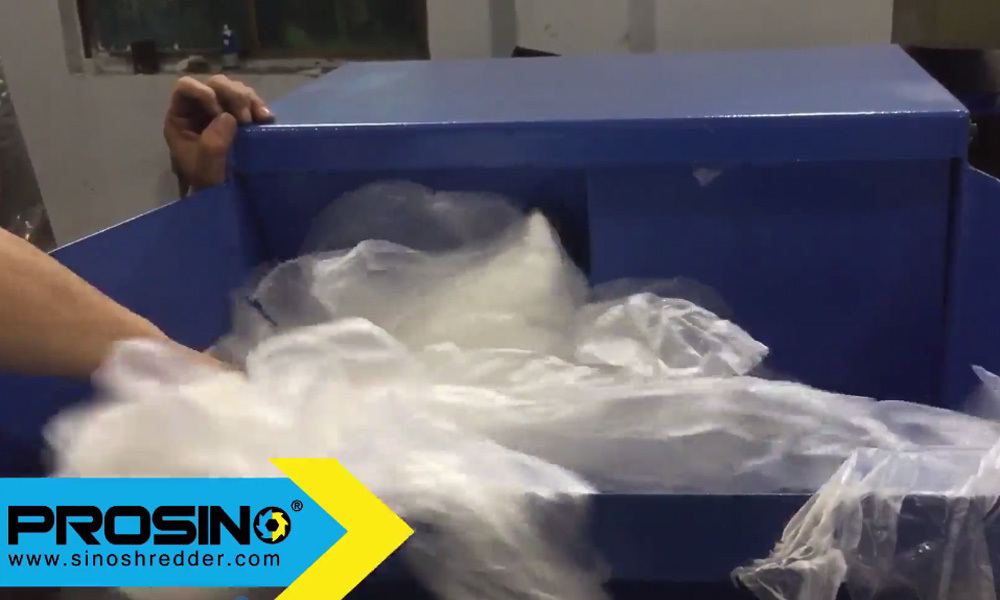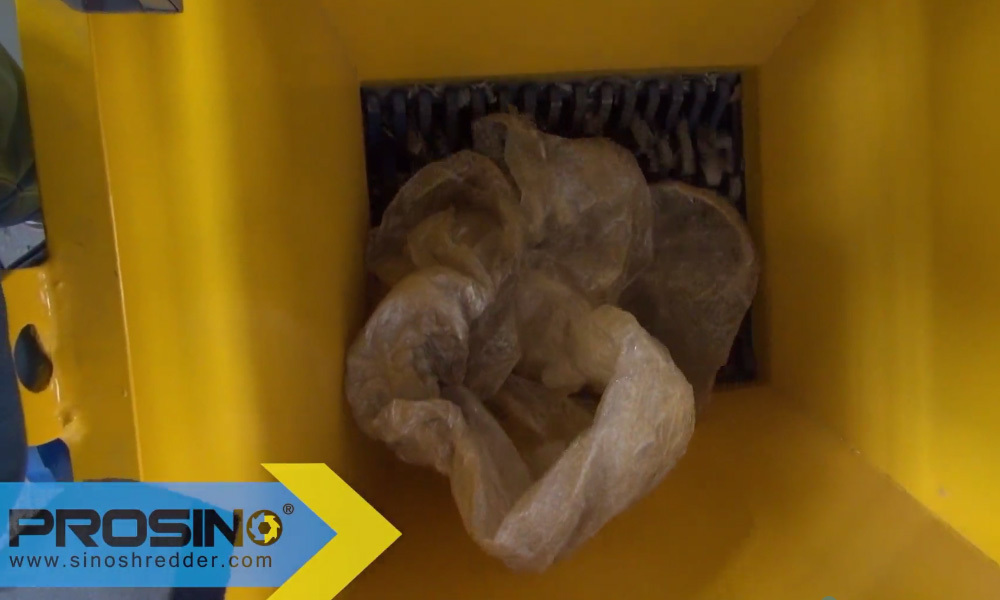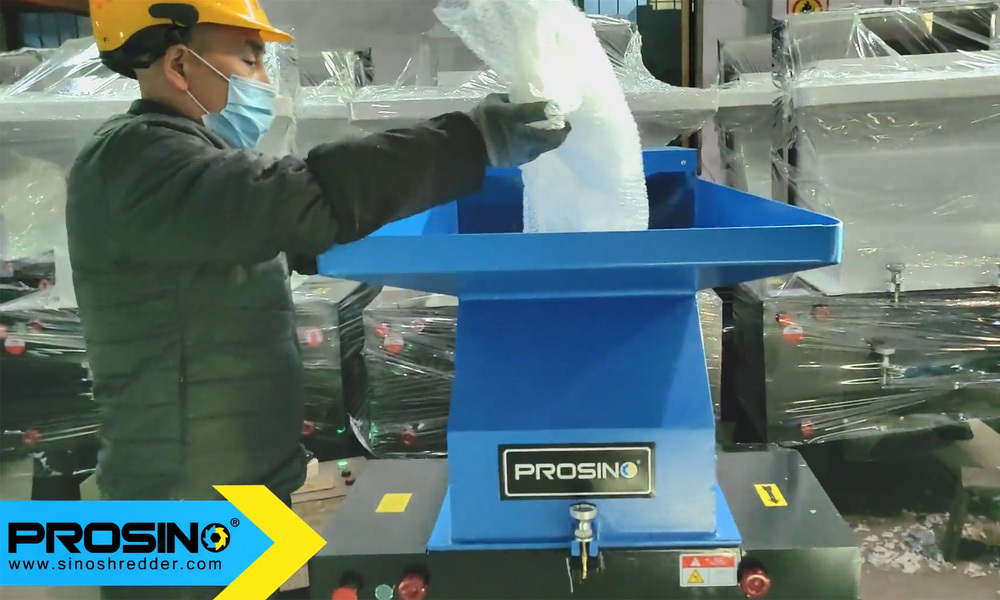

A PE cover shredder is a specialized industrial machine designed to handle tough, flexible polyethylene (PE) materials—especially PE covers, films, tarps, sheets, and wraps. These materials are widely used in packaging, agriculture, construction, and logistics. Their lightweight and elastic nature makes them difficult to process with standard shredders, so dedicated PE cover shredders play a critical role in waste reduction, recycling, and material preparation.
What Is a PE Cover?
Polyethylene (PE) covers include:
- PE film (low-density LDPE and high-density HDPE)
- Protective PE sheets used in packaging
PE covers are durable and flexible, but when discarded they take up volume and are hard to compact. Shredding them into smaller pieces makes handling, sorting, and recycling much more efficient.
Key Features & Design
✔ Anti-wrap shaft geometry — prevents material wrapping
✔ Heavy-duty cutter blades — long service life, easy maintenance
✔ Adjustable screens — produce uniform shredded output
✔ Automated safety controls — overload protection and emergency stop
✔ Optional feeding conveyors — for continuous operation
Benefits of Using a PE Cover Shredder
Volume Reduction: Breaks bulky PE covers into smaller, manageable pieces.
Recycling Preparation: Prepares material for washing, granulating, or pelletizing.
Reduced Labor: Reduces manual cutting and handling.
Improved Storage & Transport: Shredded material occupies less space, lowering costs.
Environmental Impact: Facilitates PE recycling and lowers landfill waste.
Typical Applications
A PE cover shredder is commonly used in:
- Plastic recycling facilities
- Packaging and logistics centers
- Manufacturing plants generating PE waste
- Material recovery facilities (MRFs)
Integration in Recycling Lines
These shredders are often the first stage in a full recycling system:
- Shredding of PE covers
- Conveying shredded material
- Washing & separation
- Drying
- Granulating or pelletizing
- Reuse in new products
Choosing the Right PE Cover Shredder
When selecting a machine, consider:
- Material type & thickness (LDPE vs. HDPE)
- Throughput capacity (kg/hr or ton/hr)
- Output size requirements
- Installation space and integration needs
- Safety and automation features
If you’d like tailored recommendations or capacity estimates, just let us know your material type and volume!
Quick links: