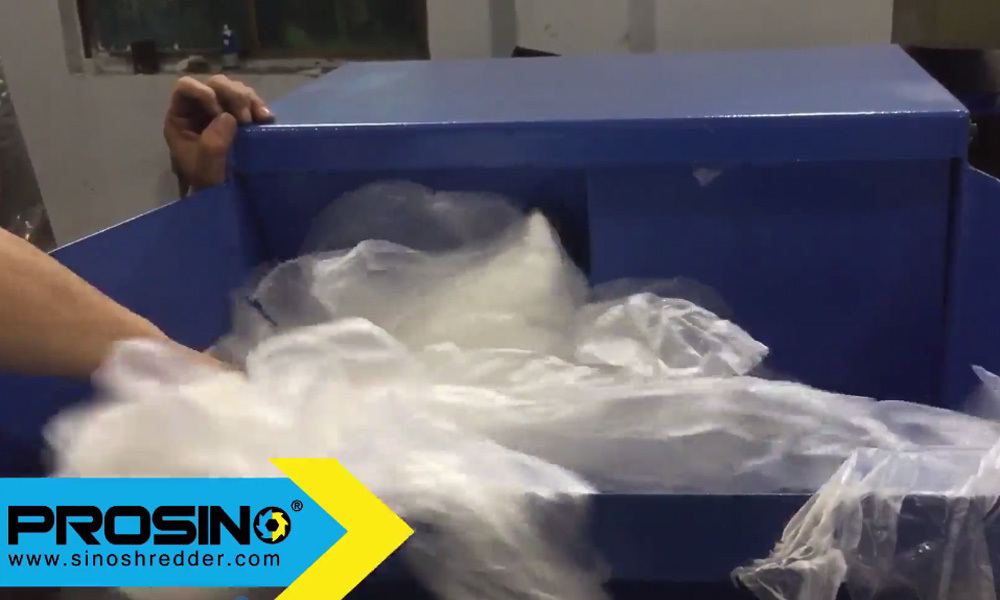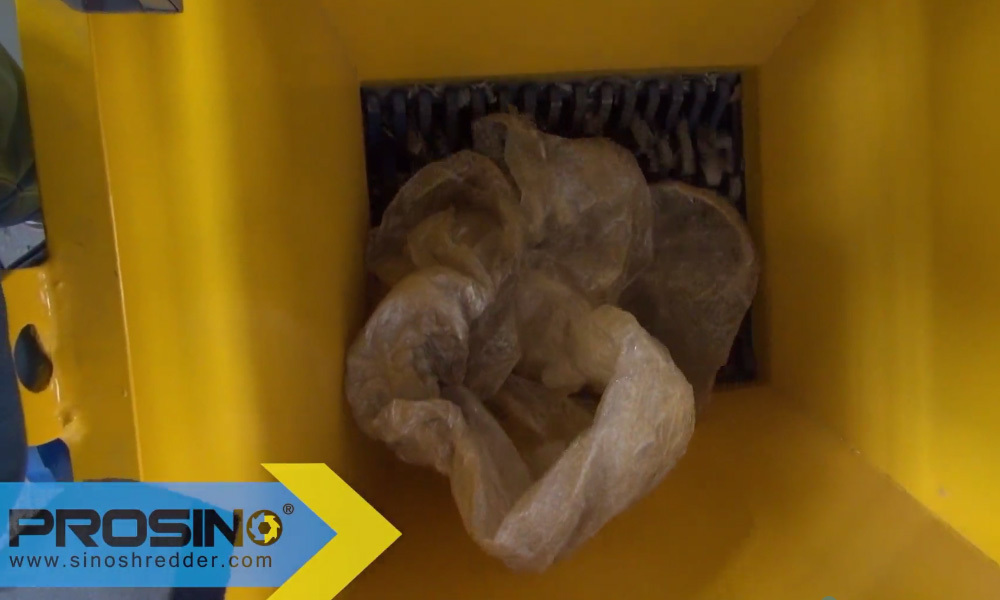

Agricultural film, also known as silage wrap or silage bags, is a type of plastic film that is commonly used in agriculture for wrapping bales of hay, straw, and other forage crops. The use of it in farming is steadily increasing. For example, greenhouse films, peat films perforated films, mulch films, asparagus films and geomembranes are all agricultural films. They are made from various types of plastic materials such as PE, HDPE, LDPE and LLDPE. They can be manufactured from various thermoplastics. While it provides several benefits, such as protecting the crops from moisture and pests, it can also create a significant amount of waste if not properly managed. This is where an agricultural film shredder comes in, as it can efficiently and effectively shred agricultural film into smaller pieces for disposal or recycling.
An agricultural film shredder is a machine that is specifically designed to shred agricultural film into small pieces. The shredder works by using a set of rotating blades or rollers to cut the film into small strips or particles. The shredded agricultural film can then be easily transported and disposed of or recycled.
How to recycle agricultural films?
Here are some steps to recycle agricultural films:
1.Clean the films: Before recycling, the films should be thoroughly cleaned of any dirt, debris, or organic matter. This can be done by washing them with water and soap, or by using a pressure washer.
2.Collect the films: Collect the agricultural films separately from other plastic waste to ensure that they can be recycled properly.
3.Check the recycling code: Look for the recycling code on the films to determine the type of plastic material used. This information is usually found on the bottom of the films, inside a triangular symbol with a number from 1 to 7.
4.Contact a recycling facility: Contact your local recycling facility or waste management company to inquire about their specific requirements for recycling agricultural films. Some facilities may require the films to be bundled or compressed to reduce volume and transportation costs.
5.Send the films for recycling: Once you have followed the specific requirements of your local recycling facility, send the agricultural films for recycling. Some facilities may offer pickup services or drop-off locations.
6/Reuse or repurpose: In some cases, agricultural films may not be suitable for recycling due to contamination or damage. In these cases, consider reusing or repurposing the films for other applications, such as as tarpaulins or ground covers in other outdoor settings.
By following these steps, you can help reduce waste and promote sustainable practices in agriculture.
Agricultural film shredder is a valuable tool for managing agricultural film waste and promoting sustainability. By shredding agricultural film into smaller pieces, it reduces the volume of waste material, makes it easier to handle and transport, and provides economic benefits to various industries. Its use not only helps in reducing the environmental impact of agricultural film waste but also contributes to the overall goal of sustainability.
Contact PROSINO team for your ideal agricultural films shredder or granulator today.
Quick links: