




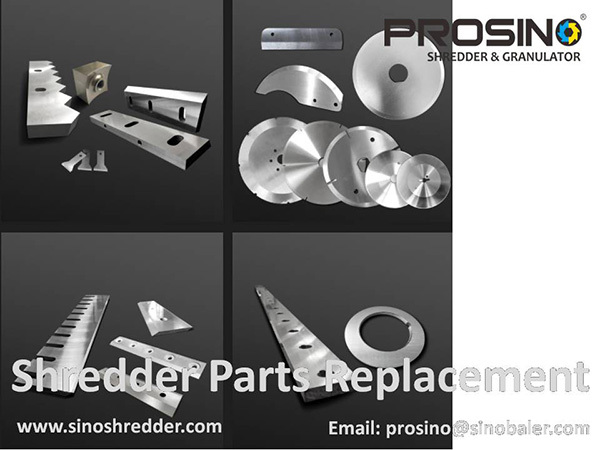
Shredder Parts Replacement
Shredders are vital machines in various industries, helping to reduce material size for recycling, waste management, and manufacturing processes. However, like any machinery, shredder parts wear out over time, and timely replacement is crucial to maintain optimal performance, ensure safety, and extend the life of the equipment.
Key Shredder Components That Require Replacement
Shredders consist of several moving parts, all of which are subject to wear and tear due to the mechanical forces and types of materials they process. Some of the critical components that typically require replacement include:
1. Blades or Cutting Knives
Blades or cutting knives are the primary components in shredders that do the actual cutting or shredding. Over time, they become dull or damaged, especially when processing tough materials like metals, plastics, or rubber. Dull blades can lead to inefficient shredding, reduced capacity, and increased strain on the motor, making it necessary to replace them regularly.
2. Rotors
The rotor is responsible for holding and driving the cutting knives. Continuous operation at high speeds and with abrasive materials causes the rotor to wear down or become unbalanced, leading to reduced cutting efficiency. Replacing or rebalancing the rotor when it shows signs of damage is critical to ensure smooth operation.
3. Screens
Screens are used to control the size of the shredded material. With regular use, screens can become clogged, worn, or broken, leading to inconsistent particle sizes. A damaged screen can also allow larger pieces of material to pass through, which could affect downstream processes.
4. Bearings
Bearings help reduce friction between moving parts, ensuring smooth operation. Over time, they may wear out or become misaligned, causing noise, vibration, and increased energy consumption. Replacing bearings at the first sign of wear is essential to prevent further damage to the shredder.
5. Seals and Gaskets
Seals and gaskets are essential for preventing material or dust from escaping from the shredder and protecting internal components from contamination. These parts can degrade over time due to exposure to heat, pressure, or chemicals, requiring periodic replacement.
6. Drive Belts
Drive belts transmit power from the motor to the shredder’s rotor. Worn-out or stretched belts can slip, reducing the machine's efficiency and causing increased wear on the motor. Regular inspection and timely replacement of drive belts can prevent unexpected breakdowns.
7. Hydraulic Components
Many shredders use hydraulic systems to operate presses, hoppers, or feeding systems. Over time, hydraulic hoses, seals, and pumps can wear out, leading to leaks or reduced pressure. Replacing these parts ensures consistent hydraulic performance and prevents machine downtime.
Signs That Shredder Parts Need Replacement
To avoid machine failures and costly repairs, operators must be vigilant in identifying the signs that shredder parts are nearing the end of their lifespan. Some common indicators include:
- Increased Noise and Vibration: Excessive noise or vibration during operation can indicate worn bearings, dull blades, or unbalanced rotors.
- Reduced Shredding Efficiency: If the shredder is processing materials more slowly or struggling with materials it previously handled easily, the blades may be dull or damaged.
- Inconsistent Shredded Material Size: This may be due to worn screens or dull blades, resulting in larger or uneven material sizes.
- Overheating: Overheating can be caused by excessive strain on the motor due to worn belts, dull blades, or clogged screens.
- Leaks in Hydraulic Systems: Puddles of fluid around the shredder or reduced hydraulic performance are signs that seals or hoses need replacing.
Best Practices for Shredder Parts Replacement
To ensure the longevity and optimal performance of your shredder, follow these best practices for replacing shredder parts:
1. Regular Maintenance and Inspections
Schedule regular inspections to identify wear before it leads to a major breakdown. Document the condition of key components and replace parts that show signs of wear.
2. Use Genuine Parts
Always use OEM (Original Equipment Manufacturer) parts for replacements. These parts are designed specifically for your shredder model, ensuring proper fit and performance.
3. Stock Critical Parts
Keep an inventory of commonly replaced parts, such as blades, bearings, and screens. This reduces downtime by ensuring you have parts on hand when needed.
4. Follow Manufacturer’s Recommendations
Adhere to the manufacturer's guidelines for part replacement intervals and maintenance schedules. This helps prevent unnecessary wear and prolongs the life of your shredder.
5. Engage Qualified Technicians
For complex replacements, such as hydraulic systems or rotors, always rely on qualified technicians to perform the work. Incorrect installation can lead to further damage or safety risks.
Shredder parts replacement is a key aspect of maintaining the efficiency, safety, and longevity of your shredding equipment. By staying proactive with regular maintenance, using high-quality replacement parts, and addressing wear before it escalates, operators can ensure their shredders continue to function optimally and minimize costly downtime. Whether it's blades, screens, or hydraulic components, timely replacement is crucial for keeping your shredding operations running smoothly.
Quick links:
Other Blogs

Wood Pallet Size Reduction Solutions for Modern Recycling Operations
2026/05/20
Reduce wood pallet waste efficiently with industrial shredders, briquetting, baling and bagging machines. Turn pallets into biomass fuel or compact bales while lowering disposal costs and improving recycling profitability.

PE Pipe Recycling Guide: Real-World Processing Solutions & Equipment Selection
2026/05/07
PE pipe recycling requires different size-reduction solutions depending on pipe dimensions and wall thickness. Real recycling plants rarely rely on a single machine type. This guide explains the complete PE pipe recycling process and introduces the three practical shredding solutions used worldwide, featuring PROSINO equipment.

Biomass Fuel from Waste Pallets
2026/04/29
Waste wooden pallets are widely generated by logistics centers, warehouses, manufacturing plants, and distribution hubs. Instead of paying disposal fees or sending pallets to landfill, businesses can now convert pallet waste directly into valuable biomass fuel. PROSINO wood pallet shredders provide an efficient solution by shredding waste pallets directly into wood chips, simplifying the recycling process and maximizing profitability.
Related Videos


Other Blogs
Follow us


Leave a message
SINOSHREDDER PRIVACY POLICY
We collect information from you when you fill out an inquiry or contact form. When submitting the form on our site, you may be asked to enter your name and contact details such as: e-mail address, mailing address and/or phone number, etc. Alternatively, you can choose not to complete our forms and visit our site anonymously. Any of the information we collect from you may be used to help us to better respond to your individual needs, and/or enable us to more effectively respond to your customer service requests and support needs. The email address you provided may also be used to send you information and updates pertaining to your inquiry and/or order, in addition to receiving occasional company news, updates, related product or service information, etc.
PROSINO SHREDDER does not sell, trade, or otherwise transfer to outside parties your personally identifiable information. This does not include trusted third parties who assist us in operating our website, conducting our business, or servicing you, so long as those parties agree to keep this information confidential. We may also release your information when we believe release is appropriate to comply with the law, enforce our site policies, or protect ours or others rights, property, or safety.
By using our site, you consent to our online privacy policy. If we decide to change our privacy policy, we will post those changes on this page. If you have any questions or concerns regarding our privacy policy, please e-mail prosino@sinobaler.com or mail your question to us at 1206 Yinzhou Shanghui Nan Lou, 1299 Yinxian Avenue, Yinzhou District, Ningbo 315192, P.R. China.
EXTERNAL LINKS & DISCLAIMER
Our web site has links to many other organizations with their permission. Upon leaving the SINOSHREDDER web site, you are subject to the privacy policy of the new site which are not under our control. PROSINO SHREDDER is not responsible for the content of any linked site or any link contained in a linked site. These links are provided to you as a service for you to better understand the different business relationships that SINOSHREDDER has established, and/or to point the reader to other possible relevant resources.